Rain Over Fire : Cooling The Heat Of Anger
In today's fast-paced world, managing anger is crucial for maintaining mental well-being and healthy interpersonal relationships. The phrase "rain over fire" symbolizes the cooling effect that certain techniques and mindset shifts can have on our anger.

By adopting effective anger management strategies, individuals can learn to remain calm and composed, even in the face of adversity. This not only improves personal well-being but also fosters healthier relationships.
Key Takeaways
- Effective anger management is crucial for mental well-being.
- Adopting certain techniques can help cool down anger.
- Remaining calm improves interpersonal relationships.
- Anger management strategies lead to a healthier life.
- Practicing mindfulness can help in managing anger.
The Burning Within: Understanding Anger and Its Impact
Understanding anger's impact is crucial for effective anger management. Anger is a natural human emotion that can serve as a protective mechanism, but when it becomes chronic, it can have far-reaching consequences on both physical and mental health.
The Science Behind Anger Responses
When we perceive a threat or injustice, our body's "fight or flight" response is triggered, releasing stress hormones like adrenaline and cortisol. This physiological reaction prepares our body to react, often leading to impulsive behaviors. Recognizing this automatic response is the first step in managing anger.
How Anger Affects Your Body and Mind
Chronic anger can lead to cardiovascular problems, a weakened immune system, and digestive issues. Mentally, it can impair judgment, strain relationships, and contribute to anxiety and depression. The impact on mental health is significant, as prolonged anger can alter the brain's chemistry.
The Hidden Costs of Chronic Anger
The consequences of unmanaged anger extend beyond personal health. It can affect relationships and work performance, leading to isolation and professional setbacks. Understanding these risks highlights the importance of emotional regulation techniques for overall wellbeing.
By grasping the full implications of anger and its effects, individuals can better appreciate the need for effective stress relief and anger management strategies. This knowledge empowers people to take control of their emotional responses, leading to a more balanced life.
Recognizing Your Personal Anger Patterns
Recognizing the unique ways you respond to anger is crucial for emotional regulation. Understanding your personal anger patterns allows you to develop targeted strategies to manage your anger effectively.
Identifying Your Unique Anger Triggers
To manage anger, it's essential to identify your personal anger triggers. These triggers can be specific situations, people, or even internal thoughts. By becoming more aware of what triggers your anger, you can prepare yourself for these situations and develop strategies to calm down.
- Reflect on past experiences to identify common themes or triggers.
- Keep a journal to track when you feel angry and what happened before the anger arose.
- Talk to trusted friends or family about your anger episodes to gain their perspective.
The Four Common Anger Response Styles
People respond to anger in different ways. Understanding your typical response style is crucial for developing effective anger management strategies. The four common anger response styles are:
- Aggressive: Lashing out at others, either verbally or physically.
- Assertive: Expressing feelings and needs clearly and respectfully.
- Passive-aggressive: Indirectly expressing anger through actions or subtle behaviors.
- Passive: Suppressing anger, which can lead to internalized stress.
Tracking Your Anger Episodes for Greater Awareness
Tracking your anger episodes can provide valuable insights into your anger patterns. By keeping a record of when you get angry, what triggers your anger, and how you respond, you can identify patterns and areas for improvement.
Developing self-awareness of your anger patterns is a powerful step towards better emotional regulation. By understanding your triggers, response styles, and tracking your anger episodes, you can take control of your anger and improve your overall well-being.
The Power of Pausing: First Steps to Cooling Down
When faced with a triggering situation, the simple act of pausing can be a game-changer in managing anger. This initial pause can create a crucial gap between the trigger and our response, allowing us to choose how we react rather than acting impulsively.
Pausing is not just about stopping; it's about creating an opportunity for a more thoughtful and controlled response. By incorporating pausing into our daily interactions, we can significantly reduce the intensity and frequency of anger episodes.
The Critical 90-Second Pause Technique
The 90-second pause technique is a simple yet effective method for managing anger. By pausing for 90 seconds when we feel triggered, we allow our brain to process the emotion and respond more thoughtfully. This technique leverages the fact that the initial surge of anger typically lasts about 90 seconds.
Creating Mental Space Between Trigger and Response
Pausing creates a mental space that allows us to assess the situation more clearly. By doing so, we can re-evaluate our triggers and choose a more constructive response. This mental space is crucial for effective emotional regulation.
Recognizing Early Warning Signs in Your Body
Our bodies often give us early warning signs when we're about to become angry, such as tension or a rapid heartbeat. Recognizing these signs allows us to intervene early, pausing before the anger escalates. By being more aware of our bodily responses, we can take proactive steps to manage our anger.
By incorporating these pausing techniques into our daily lives, we can develop better emotional regulation and reduce the impact of anger on our well-being.
Breathe Through the Fire: Immediate Calming Techniques
In the heat of the moment, having instant stress relief strategies can be a game-changer. When anger surges, our body's "fight or flight" response is triggered, releasing stress hormones like adrenaline. Immediate calming techniques can help counteract this response, bringing our nervous system back into balance.
https://www.youtube.com/watch?v=tEmt1Znux58
Box Breathing and 4-7-8 Breathing Methods
Box breathing involves breathing in for a count of 4, holding for 4, exhaling for 4, and holding again for 4. This creates a "box" shape with your breath, promoting calmness. The 4-7-8 breathing method, also known as the "Relaxation Breath," involves inhaling through the nose for a count of 4, holding for 7, and exhaling through the mouth for 8. This technique can help slow down your heart rate and induce relaxation.
Physical Grounding Exercises for Instant Relief
Grounding exercises can help shift your focus away from anger and back to the present moment. One simple technique is to pay attention to your five senses: notice the feeling of your feet on the ground, the sounds around you, or the sensation of the air on your skin. You can also use physical objects like a stress ball or a piece of fabric to ground yourself.
Quick Sensory Shifts to Break Anger Cycles
Quick sensory shifts can interrupt anger cycles by changing your focus. Try taking a few deep breaths, noticing the sensation of the air moving in and out of your body. Alternatively, use a calming scent like lavender or engage in a brief physical activity like stretching to shift your emotional state.
Reframing the Situation: Changing How You See Triggers
Reframing our perception of triggering events can significantly reduce anger responses. This cognitive approach to managing anger involves challenging and changing the way we interpret situations that typically lead to anger.
Challenging Cognitive Distortions That Fuel Anger
Cognitive distortions are biased or irrational ways of thinking that can escalate anger. Common distortions include all-or-nothing thinking and overgeneralization. By recognizing and challenging these distortions, we can begin to see triggers in a more balanced light.
The Perspective-Taking Exercise
Engaging in perspective-taking can help us understand that others' actions are often driven by factors beyond our control. This exercise involves considering the viewpoints of others involved in a triggering situation, fostering empathy and reducing anger.
Finding Alternative Interpretations of Triggering Events
By actively seeking alternative explanations for triggering events, we can reduce the intensity of our anger. For instance, instead of assuming someone is being malicious, we might consider that they are having a bad day. This shift in interpretation can help in managing anger more effectively.
Using these strategies, we can develop a more adaptive way of dealing with triggers, leading to improved emotional regulation and well-being.
How to Stay Calm and Take It Easy in High-Stress Situations
Staying calm under pressure is a skill that can be developed with the right techniques and consistent practice. In high-stress situations, our bodies react with a fight-or-flight response, releasing stress hormones like cortisol and adrenaline. However, by employing specific strategies, we can learn to manage these responses effectively.
Creating Your Personal Calm-Down Mantra
A personal calm-down mantra can be a powerful tool for stress relief. By repeating a simple, positive phrase, you can calm your mind and redirect your focus away from stressful thoughts. For example, phrases like "I am calm and in control" or "I can handle this" can be effective. The key is to choose a mantra that resonates with you personally and to practice it regularly.
The Progressive Muscle Relaxation Method
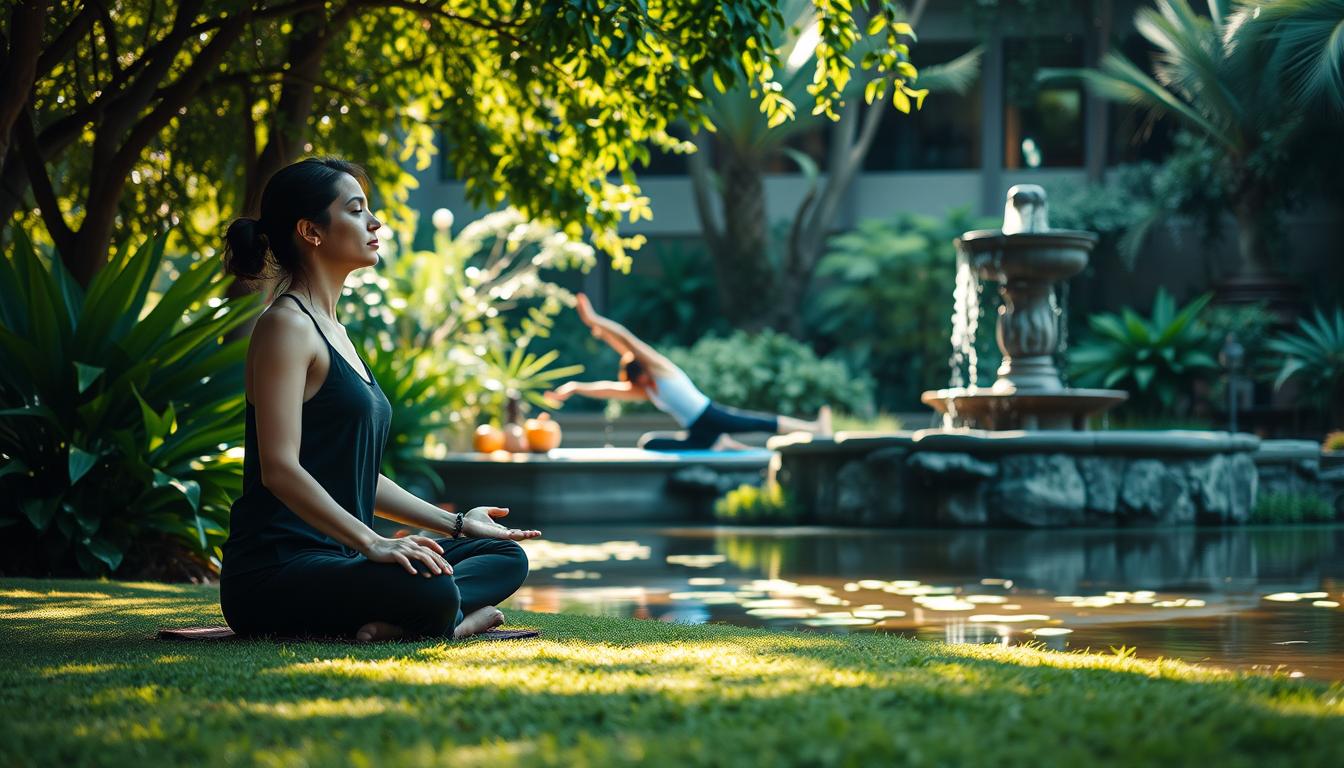
Progressive muscle relaxation (PMR) is a technique that involves tensing and then relaxing different muscle groups in your body. This method helps to release physical tension, promote relaxation, and reduce stress. To practice PMR, start by tensing your toes, holding for a few seconds, and then releasing. Gradually work your way up through the body, tensing and relaxing each muscle group in turn.
Visualization Techniques for Emotional Regulation
Visualization involves using your imagination to create a mental image or scenario that promotes relaxation and reduces stress. For instance, you might imagine yourself in a peaceful, natural setting, such as a beach or a forest. The goal is to engage all your senses in the visualization, making it as vivid and real as possible. Regular practice of visualization techniques can enhance emotional regulation and improve overall well-being.
| Technique | Description | Benefits |
|---|---|---|
| Calm-Down Mantra | Repeating a positive phrase to calm the mind | Reduces stress, improves focus |
| Progressive Muscle Relaxation | Tensing and relaxing muscle groups | Releases physical tension, promotes relaxation |
| Visualization | Imagining a peaceful scenario | Enhances emotional regulation, reduces stress |
By incorporating these techniques into your daily routine, you can develop greater resilience to stress and improve your ability to remain calm in high-pressure situations.
Communicating Effectively When Emotions Run High
Navigating high-emotion situations requires a thoughtful approach to communication. When feelings are intense, the way we express ourselves and respond to others can significantly impact the outcome of a conflict.
Using "I" Statements is a powerful way to express feelings without placing blame. Instead of saying "you made me angry," say "I feel angry when this happens." This subtle shift in language can prevent defensiveness and promote a more constructive conversation.
Active Listening During Heated Conversations
Active listening is crucial in emotionally charged situations. It involves fully concentrating on what the other person is saying, understanding their perspective, and responding thoughtfully. By doing so, we can de-escalate tensions and work towards a resolution.
- Maintain eye contact to show you're engaged.
- Avoid interrupting, even if you disagree.
- Paraphrase what you've heard to ensure understanding.
Setting and Respecting Boundaries in Conflicts
Establishing clear boundaries can help manage conflicts more effectively. It's essential to communicate your limits clearly and respect the boundaries set by others. This mutual respect can foster a more constructive dialogue.
When and How to Take a Productive Timeout
Sometimes, taking a break is necessary to prevent escalation. A productive timeout involves agreeing on a break, setting a time to reconvene, and having a plan for how to manage the issue upon return. This can help prevent further conflict and allow for more thoughtful communication.
By incorporating these strategies into our communication approach, we can better navigate high-emotion situations and work towards more effective conflict resolution.
Building Your Long-Term Calm Resilience
Long-term calm resilience can be achieved by incorporating daily practices that promote emotional regulation. This involves a combination of strategies that help manage anger and stress, leading to improved overall well-being.
Daily Practices for Emotional Balance
Establishing a daily routine that includes mindfulness, meditation, or yoga can significantly enhance emotional balance. These practices help in developing a greater awareness of one's emotions and thoughts, making it easier to manage anger.
For instance, starting the day with a short meditation session can set a positive tone and prepare the mind to handle stressful situations more effectively.
Creating a Personalized Anger Management Plan
Developing an anger management plan tailored to individual needs is crucial. This involves identifying personal anger triggers and devising strategies to cope with them. Techniques such as deep breathing, counting to ten, or taking a break from the situation can be highly effective.
Lifestyle Factors That Support Emotional Regulation
Lifestyle factors play a significant role in emotional regulation. A balanced diet rich in nutrients, regular exercise, and adequate sleep are foundational elements that support mental health. For example, a diet high in omega-3 fatty acids can help reduce symptoms of anxiety and depression.
| Lifestyle Factor | Benefit |
|---|---|
| Balanced Diet | Provides essential nutrients for brain health |
| Regular Exercise | Reduces stress and anxiety |
| Adequate Sleep | Enhances emotional regulation and resilience |

By incorporating these practices and lifestyle adjustments, individuals can build their long-term calm resilience, leading to better management of anger and improved mental well-being.
Creating Environments That Promote Peace
The spaces we inhabit play a significant role in our emotional state, making it essential to create environments that foster peace. Our surroundings can either exacerbate or alleviate stress, depending on how they are curated.
Physical Space Adjustments for Reduced Stress
Adjusting our physical space can significantly impact our stress levels. Simple changes such as decluttering, incorporating plants, and using calming colors can create a more serene atmosphere. Decluttering is particularly effective as it reduces visual stimuli that can contribute to feelings of overwhelm.
Digital Boundaries for Mental Wellbeing
In today's digital age, setting digital boundaries is crucial for maintaining mental wellbeing. This can involve limiting screen time, using apps that promote relaxation, and creating digital-free zones in the home. By doing so, we can reduce the constant influx of information and create space for relaxation.
Surrounding Yourself with Calming Influences
The people we surround ourselves with and the media we consume can also impact our emotional state. Seeking out calming influences such as nature, soothing music, or positive social connections can enhance our emotional regulation. Creating a playlist of calming music or spending time in nature are simple yet effective strategies.
| Environment Adjustment | Benefit |
|---|---|
| Decluttering Physical Space | Reduces visual stress and promotes calmness |
| Setting Digital Boundaries | Decreases information overload and enhances relaxation |
| Surrounding Yourself with Nature | Improves mood and reduces stress levels |
Conclusion: Transforming Fire into Productive Energy
As we've explored throughout this article, managing anger and staying calm is a multifaceted process that involves understanding anger, recognizing personal anger patterns, and adopting various strategies to regulate emotions. By applying techniques such as breathing exercises, reframing situations, and effective communication, individuals can transform their anger into productive energy.
This transformation leads to improved mental health and more fulfilling relationships. Emotional regulation is key to achieving this balance, allowing individuals to respond to challenging situations more thoughtfully. By practicing anger management techniques, you can create a more peaceful and resilient you.
As you continue on your journey to emotional balance, remember that it's a process that takes time and practice. By incorporating these strategies into your daily life, you can develop the skills needed to manage anger effectively and cultivate productive energy.
FAQ
What are some effective techniques for managing anger?
Techniques such as the 90-second pause, box breathing, and physical grounding exercises can help manage anger. Additionally, practices like progressive muscle relaxation and visualization can also be beneficial.
How can I identify my personal anger triggers?
To identify your anger triggers, track your anger episodes and note the situations, emotions, and thoughts that precede your anger. This self-awareness will help you recognize patterns and anticipate triggers.
What is the benefit of using "I" statements during conflicts?
Using "I" statements helps express feelings without placing blame, reducing the likelihood of escalating the conflict. This communication strategy promotes active listening and constructive resolution.
How can I create a peaceful environment that promotes calmness?
Adjust your physical space by decluttering and creating calming areas. Set digital boundaries to protect your mental wellbeing, and surround yourself with calming influences like nature or soothing music.
What lifestyle factors contribute to emotional regulation?
Lifestyle factors such as a balanced diet, regular exercise, and sufficient sleep contribute to emotional regulation. Incorporating these elements into your daily life can enhance your overall resilience to stress and anger.
How can I develop a personalized anger management plan?
To develop a personalized plan, identify your anger triggers, choose effective management techniques, and practice them regularly. Continuously assess and adjust your plan as needed to achieve optimal results.
What is the role of breathing techniques in managing anger?
Breathing techniques, such as box breathing and 4-7-8 breathing, can calm the nervous system, reducing anger and anxiety. Regular practice can help you respond more thoughtfully to challenging situations.
How can I stay calm in high-stress situations?
Techniques like creating a personal calm-down mantra, practicing progressive muscle relaxation, and using visualization can help you stay calm. Preparation and practice are key to maintaining calmness in challenging situations.